
Much of the Earth’s species are not warm blooded, and less than familiar. Certain lineages are very old – amphibians and scorpions roamed the land eons before humanity walked upright. Some, like orchids in pristine forests, still elude scientific inquiry. Others bear the crushing weight of our civilization by providing food or helping crops to fruit, like countless fishes and pollinating insects. They do not always garner sympathy from the public, and conservation efforts have echoed that sentiment. A study found that from 14,600 species conservation projects, 83% of funds were given to vertebrates, most of it allotted to mammals and birds (Guénard et al. 2025). Yet the neglected species are often just as threatened as the more popular ones, and despite our inattention many perform vital functions in their ecosystems. Let's find these critters among us, and get lost in the wonders of their diversity.
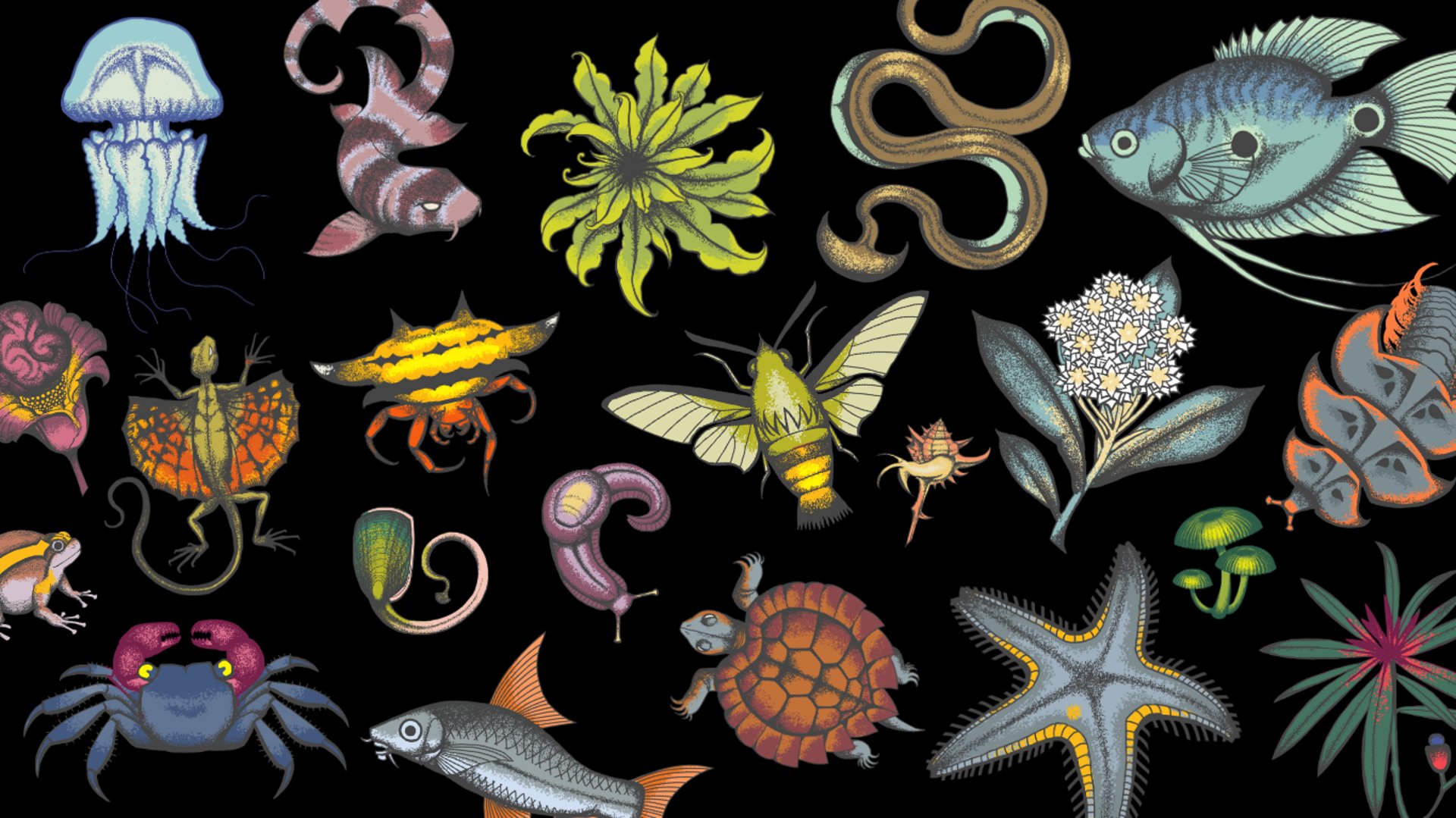
And oops a disclaimer: our arts never meant to be accurately representing the actual species; they are our expression of our thoughts and love for the critters!
Artists: Anargha Setiadi, Alwan Syah, Puspita Insan Kamil
Merchandiser: Puspita Insan Kamil
STRANGE CRITTERS ALLOWED
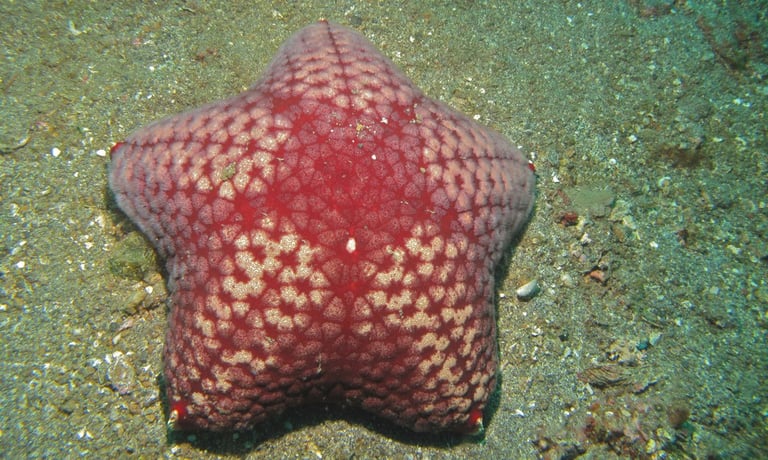
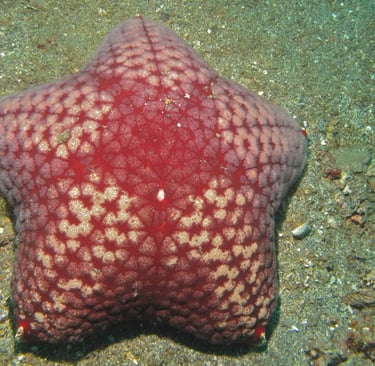
Halityle regularis
are cushion-shaped and rarer than its common cousin, reef cushion stars (Culcita). Its bulky form sometimes hide symbiotic shrimps that partner with the star for protection.
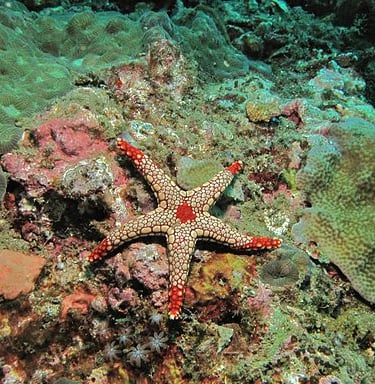
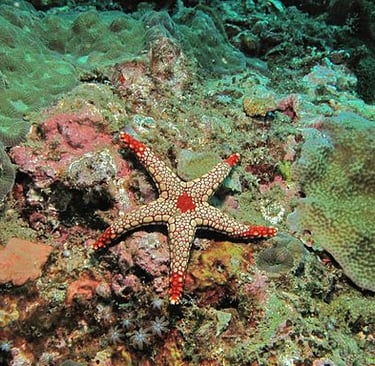
Fromia monilis
are sought after as aquarium specimens, due to its painterly beauty. However, virtually nothing is known about its diet, and captive stars often slowly starve to death within a year.
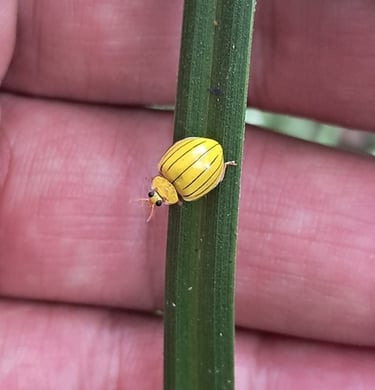
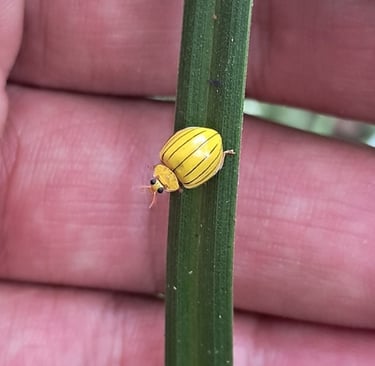
Macroilleis chapuisi
is a lady beetle with bright yellow elytra and black stripes instead of spots. It is often found in bamboo forests and may feed on fungi that would otherwise destroy crops.
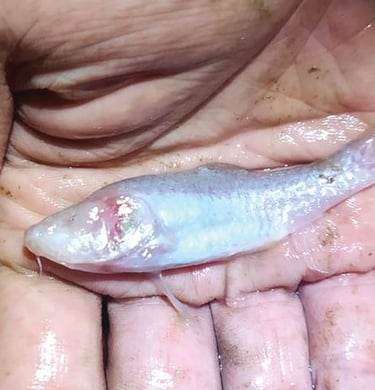
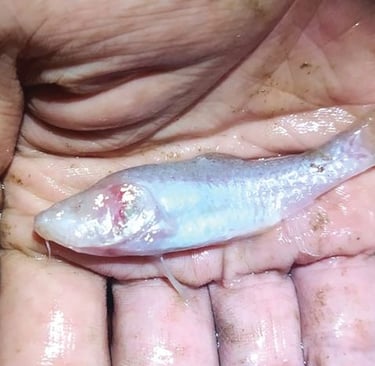
Barbodes klapanunggalensis
is a new species described in 2025. Its pale and eyeless body is perfectly adapted to life in caverns and it is surprisingly related to the common goldfish.
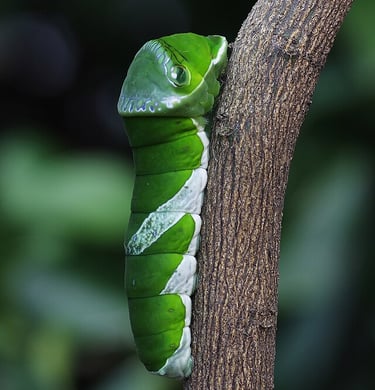
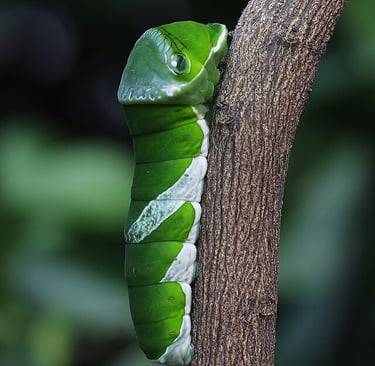
Papilio memnon
is a common sight in suburban gardens. The female of the species has several different color patterns that mimic toxic butterflies, thus inducing headache in beginner naturalists.
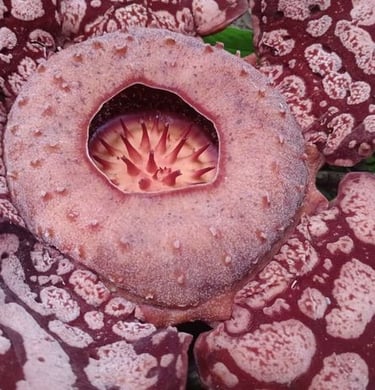
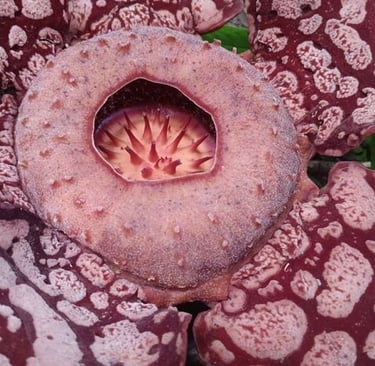
Rafflesia hasseltii
smaller than Rafflesia arnoldi, and is distinguished by its blotchy white spots. It is threatened by harvests and Sumatra's brutal deforestation, and has only been rediscovered in 2025.
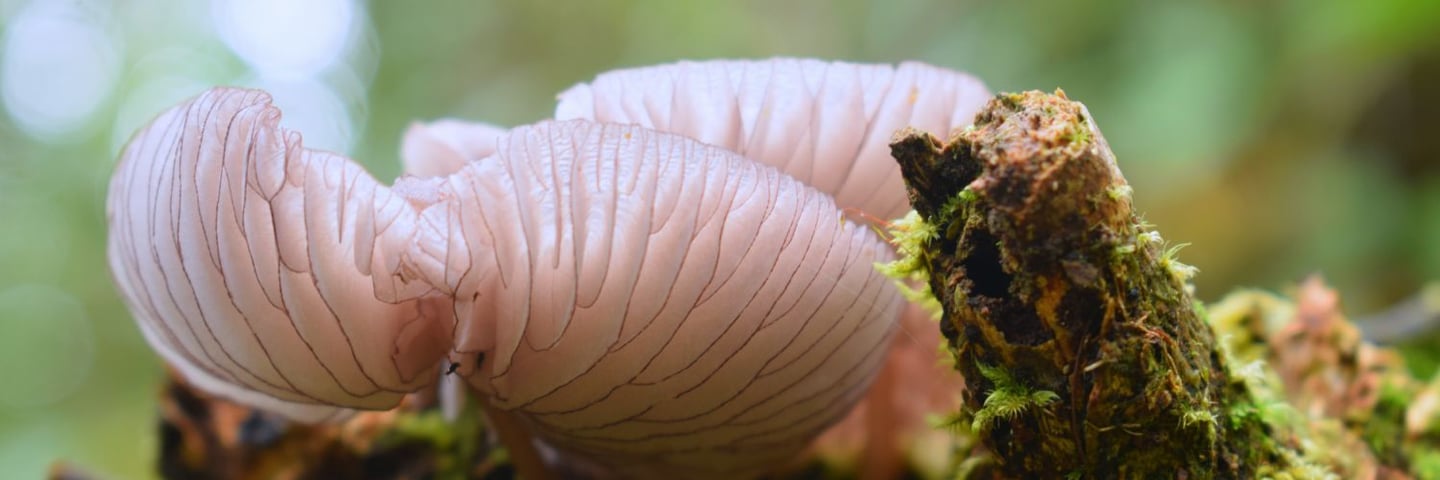
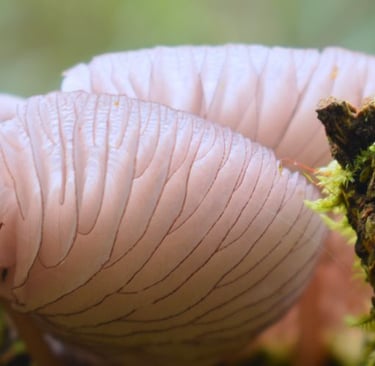
Mycena rosea
is a rare sight in rainforests. It is found on both living and dead trees, and its species name, rosea, refers to its rosy to soft pink umbrella-shaped caps.
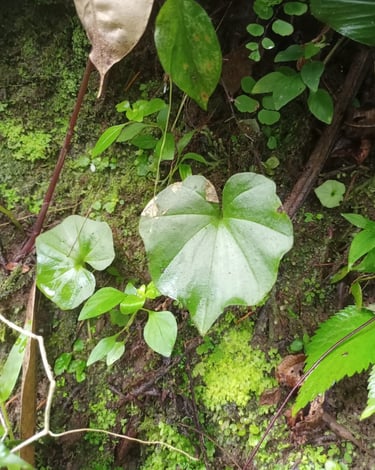
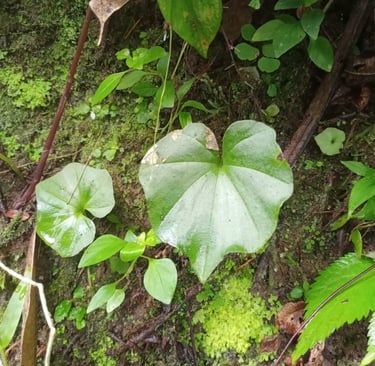
Nervilia punctata
spends much of its life as a few heart-shaped leaf on the mountain forest floor. A stalk bearing a single dainty flower then blossoms in late spring.
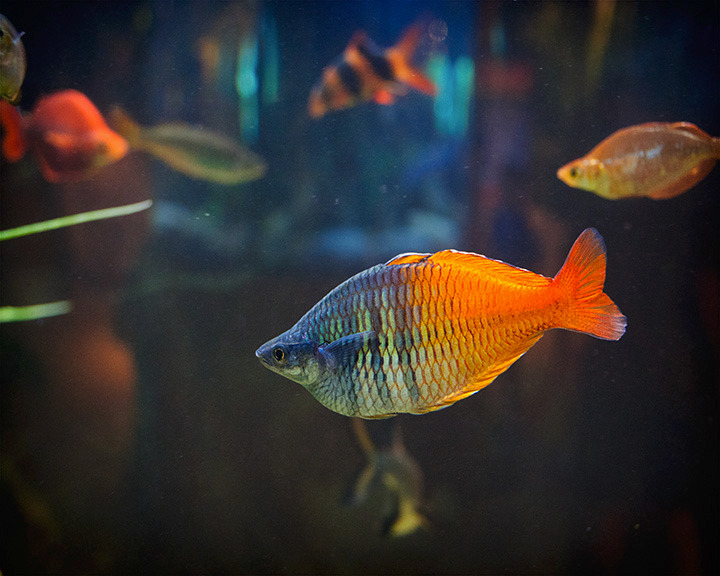
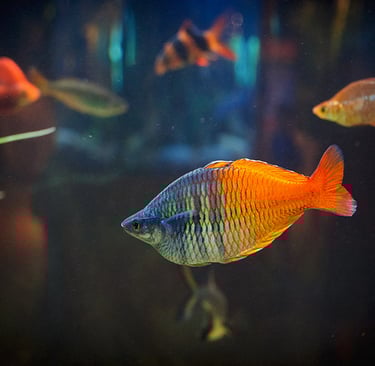
Melanotaenia boesemani
is a rainbowfish endemic to the Bird's Head region in Papua. Despite being sold for aquaria, it is rare in nature and is listed as Endangered in the IUCN Red List.
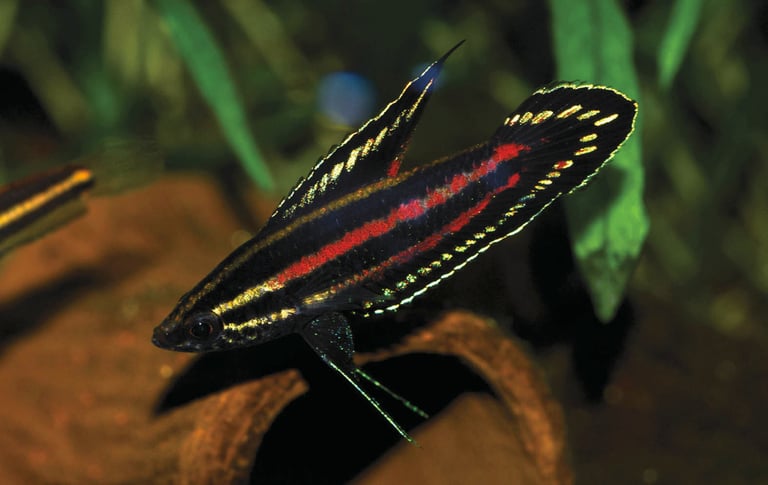
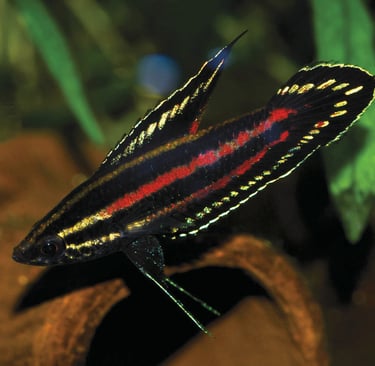
Parosphromenus juelineae
is a cousin of the familiar bettas, and is endemic only to a few peat swamps on Bangka Island. Its restricted habitat renders it very vulnerable to extinction.
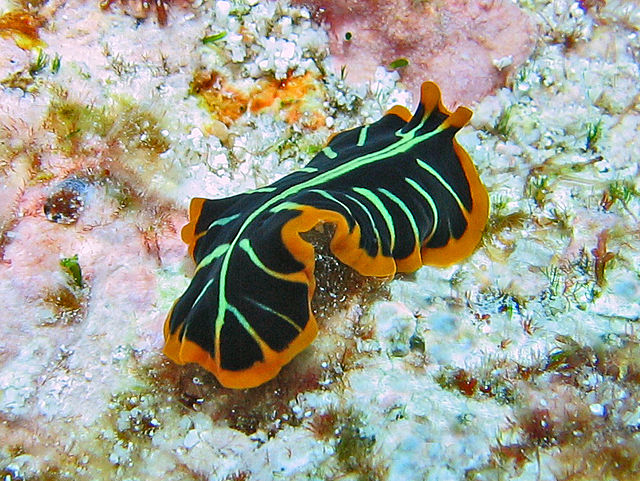
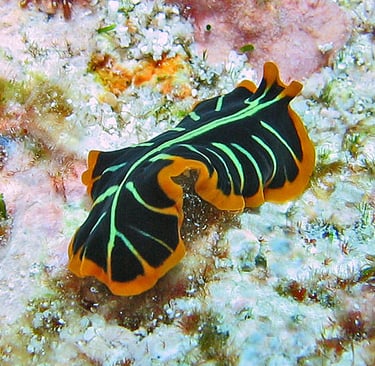
Pseudoceros dimidiatus
Many reef flatworms such as Pseudoceros dimidiatus sport vivid colors to warn would-be predators of its toxic body. Fishes have been seen spitting out flatworms after biting them.
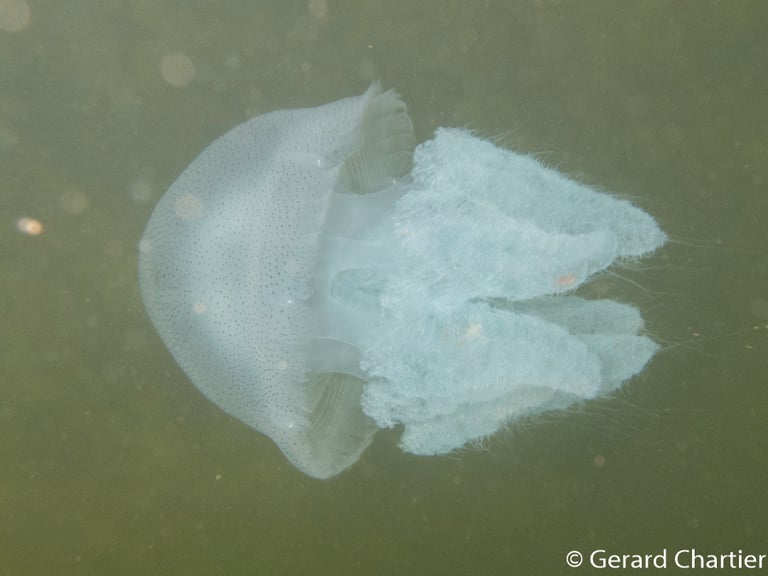
Acromitus flagellatus
are so-called for appearing frequently near estuaries. They may form large swarms near coastlines polluted by fertilizers.
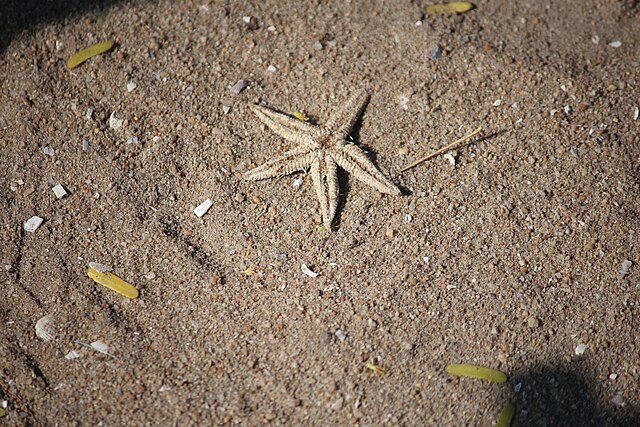
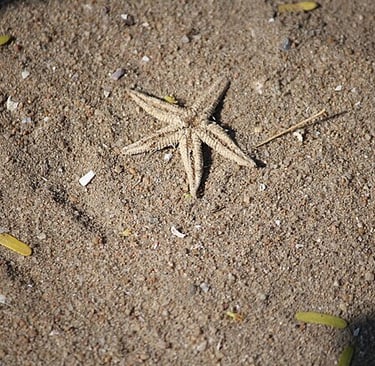
Astropecten indicus
is a predatory, fast-moving starfish that burrows and hunts in sand beds. It swallows tiny mollusks whole, shells and all - before ejecting the empty shells intact.
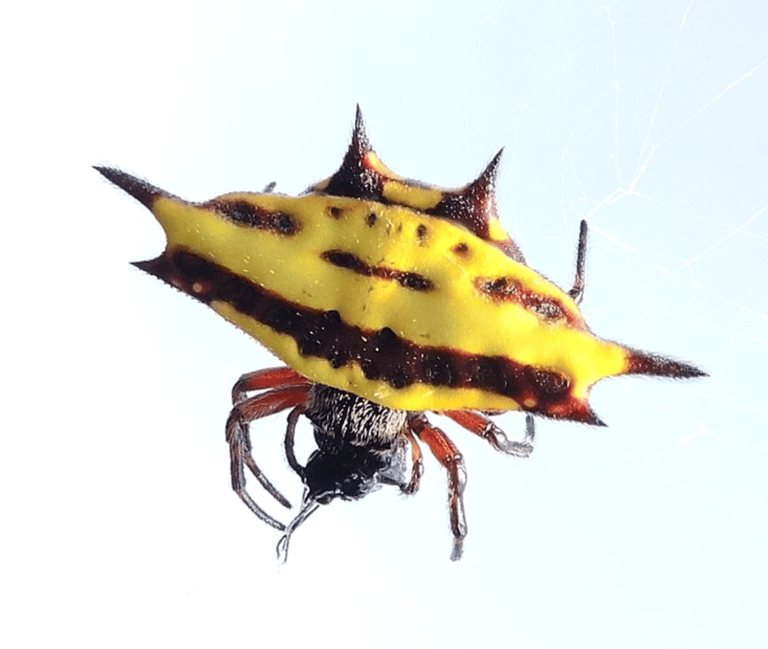
Gasteracantha irradiata
belongs to a group of ornate spiders, most diverse in Asia. The females are strikingly colored and bear elaborate spines on their bodies.
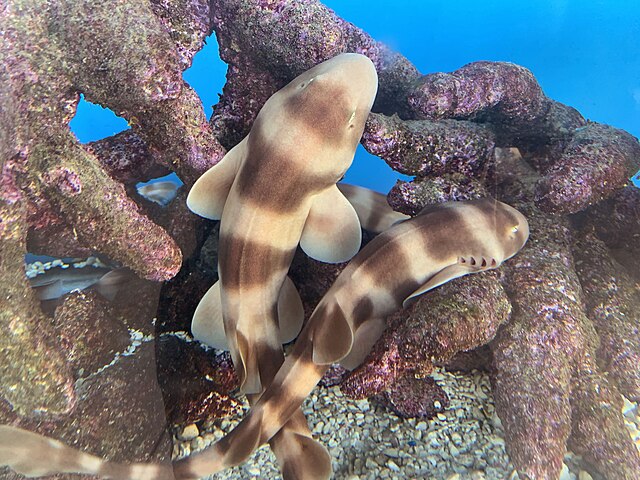
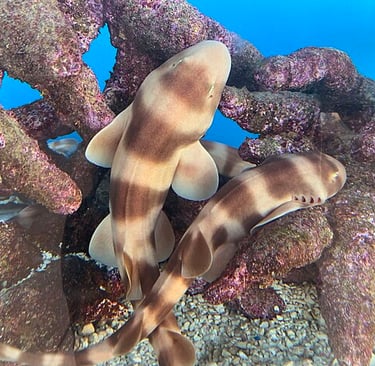
Chiloscyllium punctatum
was first described from Batavia. It is a small, docile shark, which lays its eggs in leathery pockets called mermaid's purses.
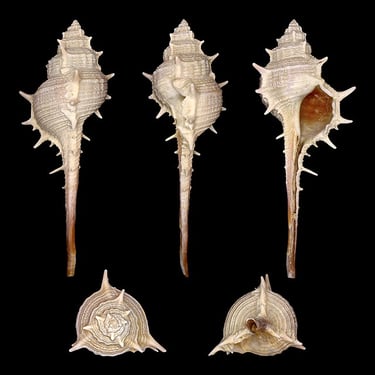
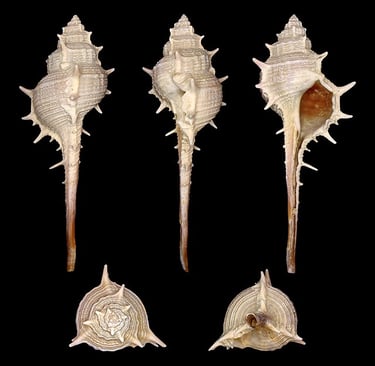
Murex trapa
Hated by some fishermen for their wicked spines that tangle fishing nets and injure feet, the rare-spined murex live on sand beds and feeds on other mollusks.
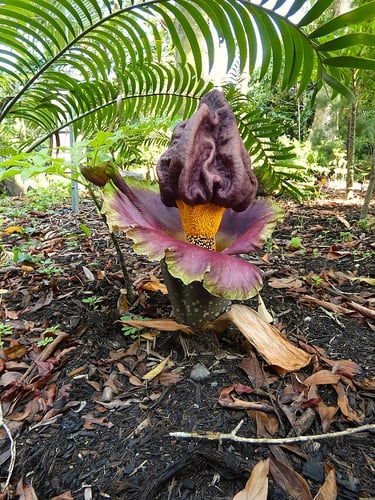
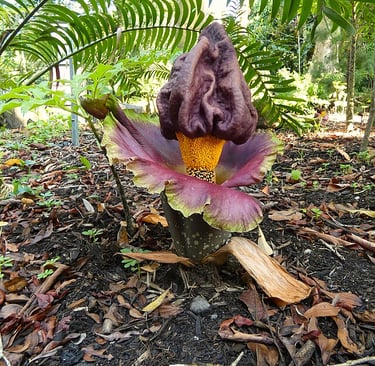
Amorphophallus paeoniifolius
in the forest is a strange sight to behold. A more modest relative of the Sumatran titan arum, its massive tuber is edible.
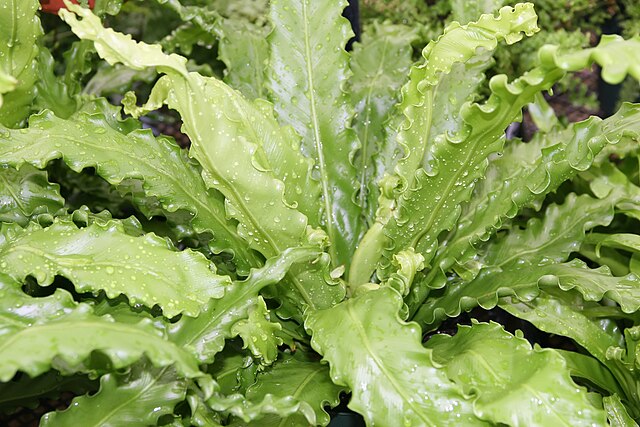
Asplenium nidus
are spectacular, crown-shaped ferns reaching 3 meters in diameter. These lush plants inhabit moist forests and provide key habitats for many other species.
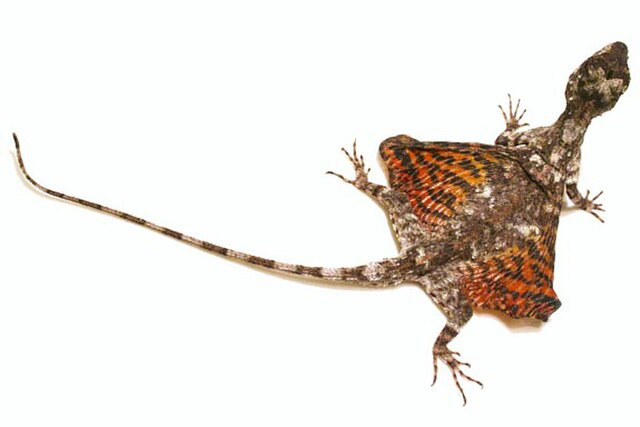
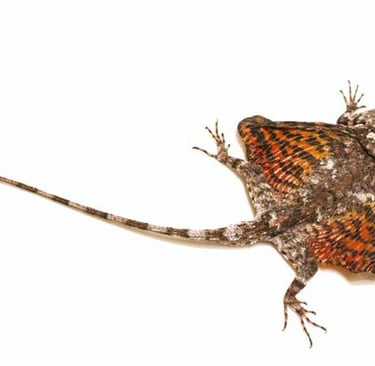
Draco volans
is a lizard that glides from tree to tree thanks to the wing-like skin between its ribs.
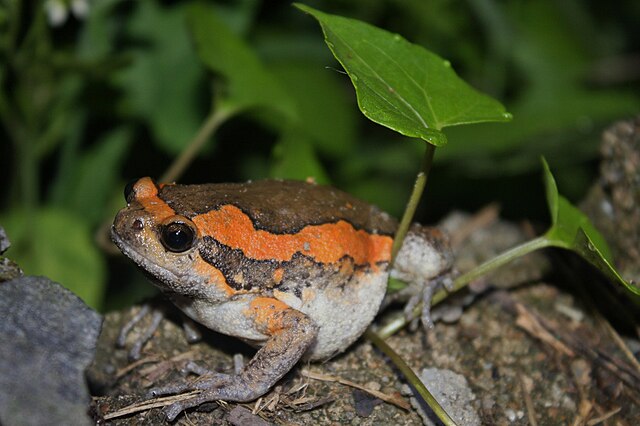
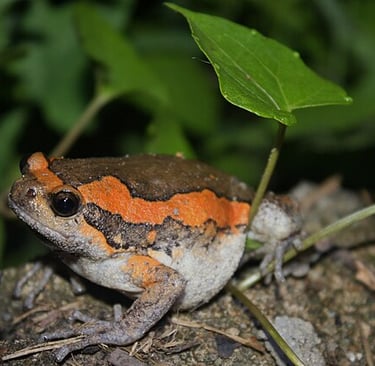
Kaloula pulchra
is an avid digger with stout, rubbery body. It burrows in the soil during the day and produce loud, baritone calls after heavy rains.
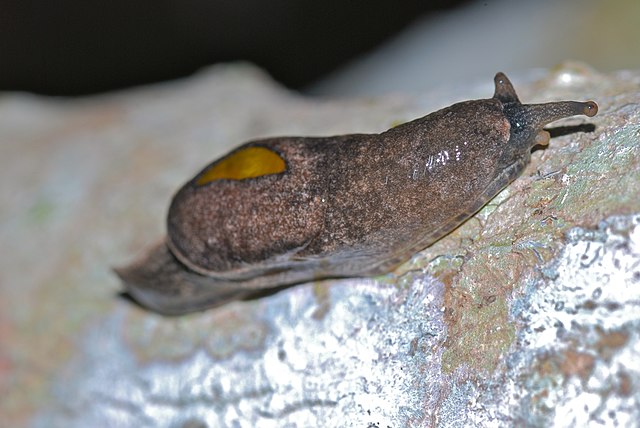
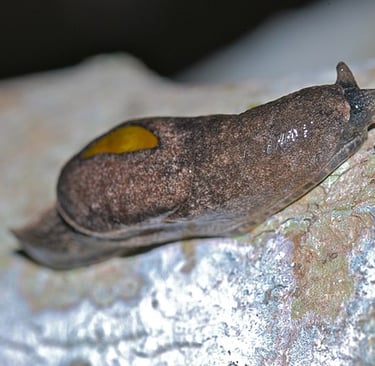
Parmarion martensi
is technically a semislug - land mollusks that are somewhere between snails and slugs due to their fragile shells, far too small to retract into.
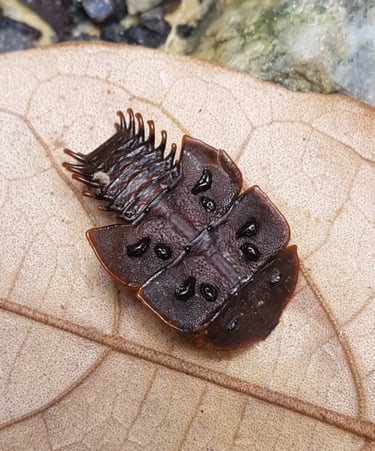
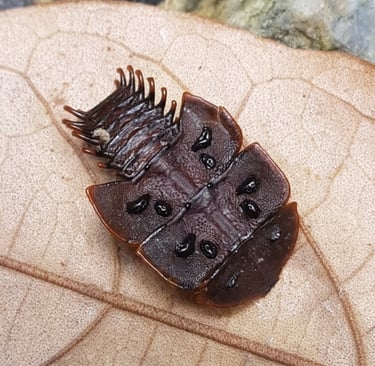
Platerodrilus ruficollis
is a species of trilobite beetles - a strange group in which the females grow into wingless, armored forms. In comparison, the males look like normal beetles.
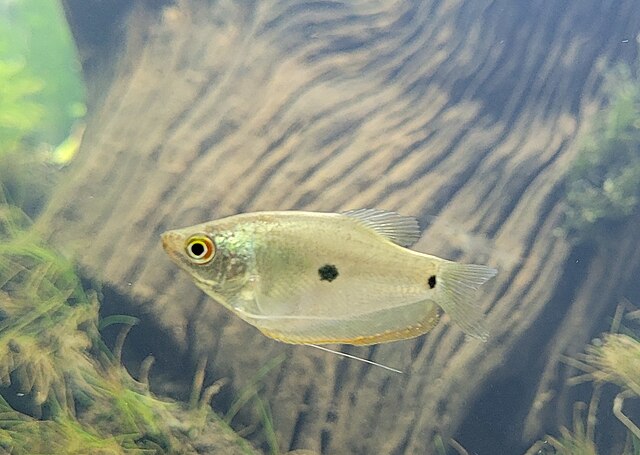
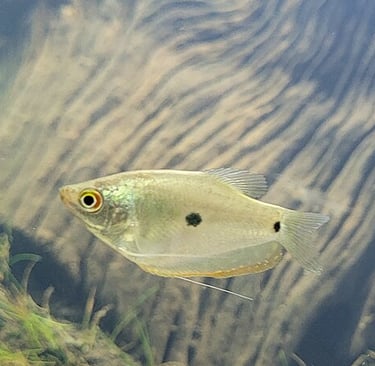
Trichopodus trichopterus
inhabits lush swamps and marshes, where plants grow in plenty. It has a special organ near its gills that helps it inhale oxygen directly from air.
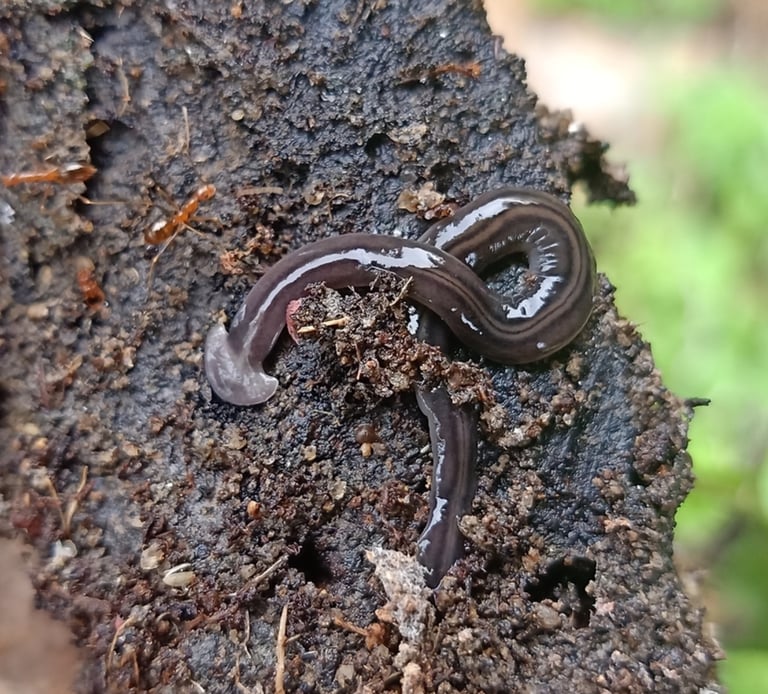
Bipalium javanum
is a flatworm that does not parasitize other animals. Instead, they hunt for earthworms, killing them with toxic secretions.
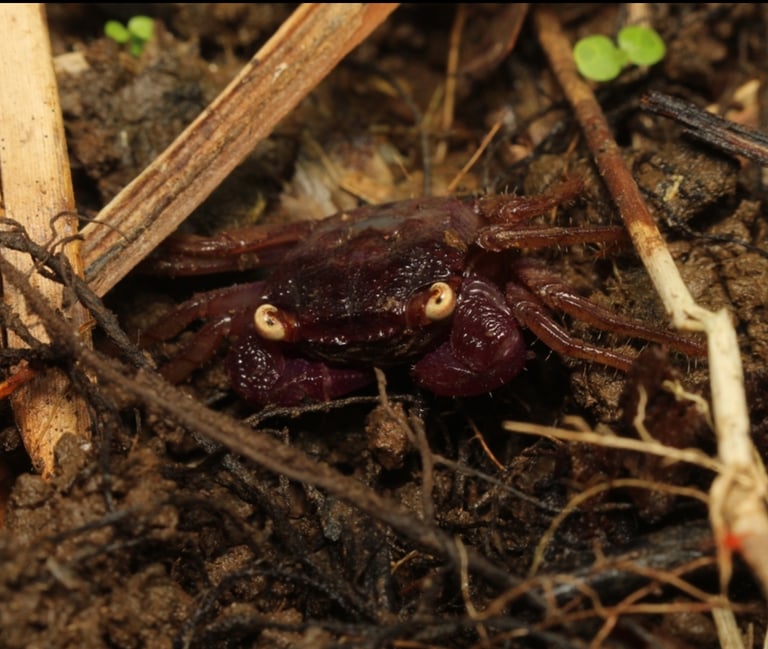
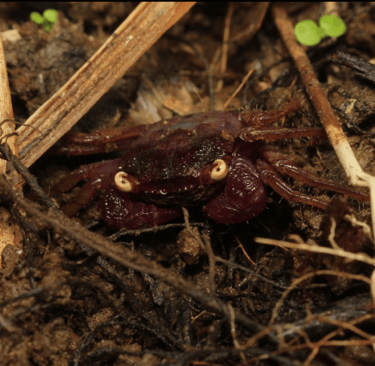
Geosesarma noduliferum
is a tiny crab endemic to West Javan forest streams and ponds. Its 'vampire' moniker came from its eerie, neon yellow eyes.
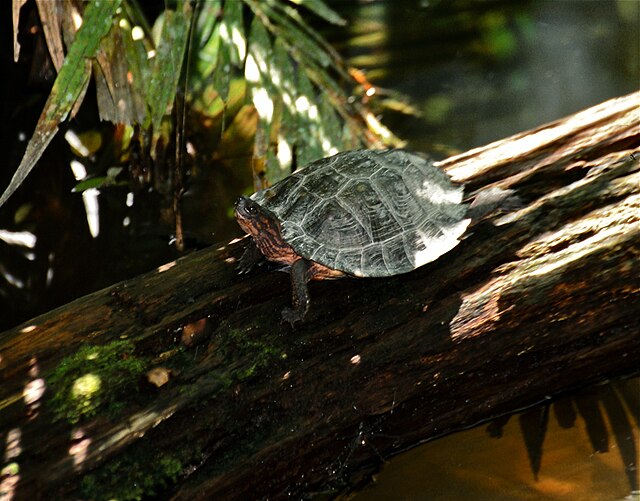
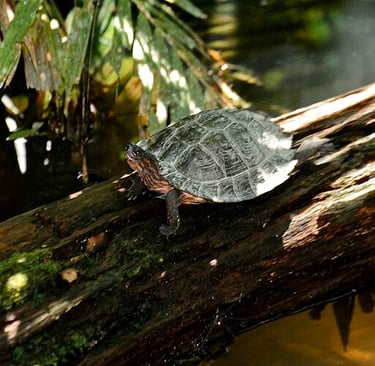
Cyclemys dentata
possesses distinct, leaf-shaped carapace. These terrapins live in forest streams and are sadly becoming rarer due to harvests for the pet and food trade.
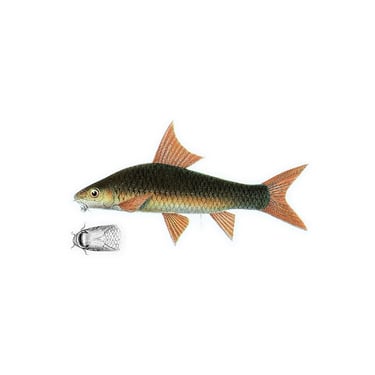
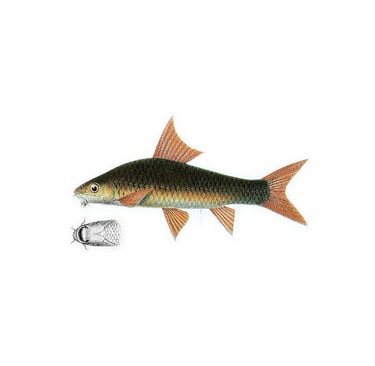
Lobocheilos lehat
is a goldfish relative that is endemic only to the Citarum basin, West Java. It is currently feared to be extinct due to the lack of verified records in recent times.
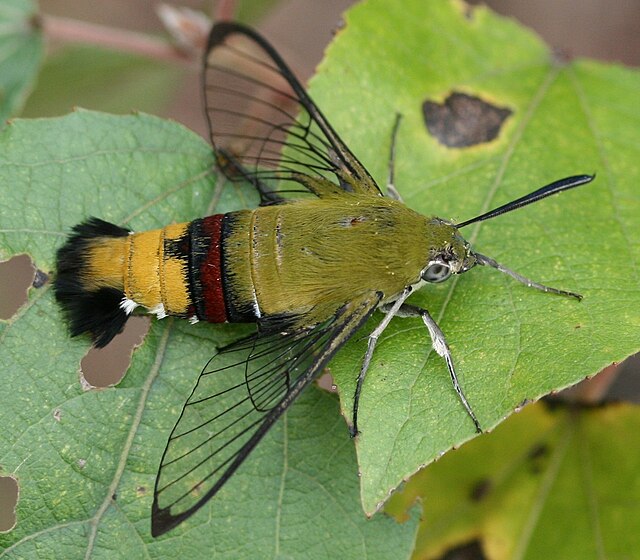
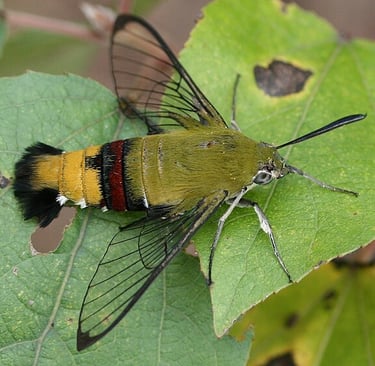
Cephonodes hylas
is one strange insect - it appears to mimic bees, but is actually a moth! It is active in daylight and feeds on nectar, hovering like a hummingbird.
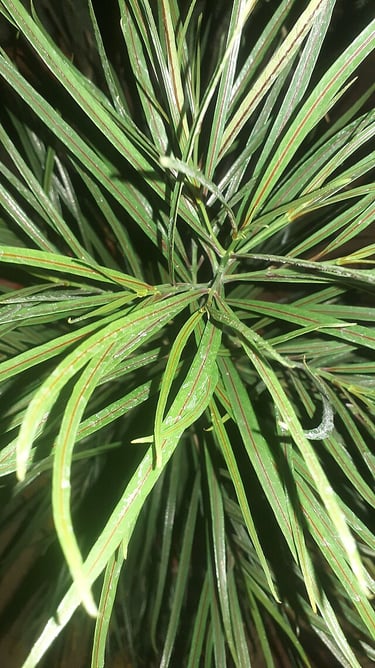
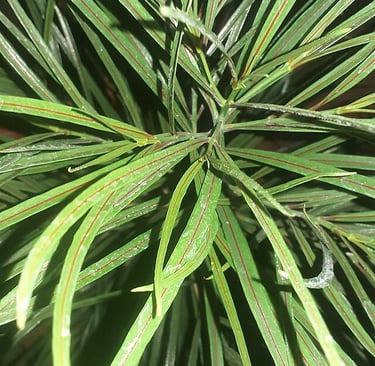
Podocarpus neriifolius
is a beautiful forest giant that grows in highland forests. It belongs to an ancient family of trees that are related to pines and evolved alongside dinosaurs.
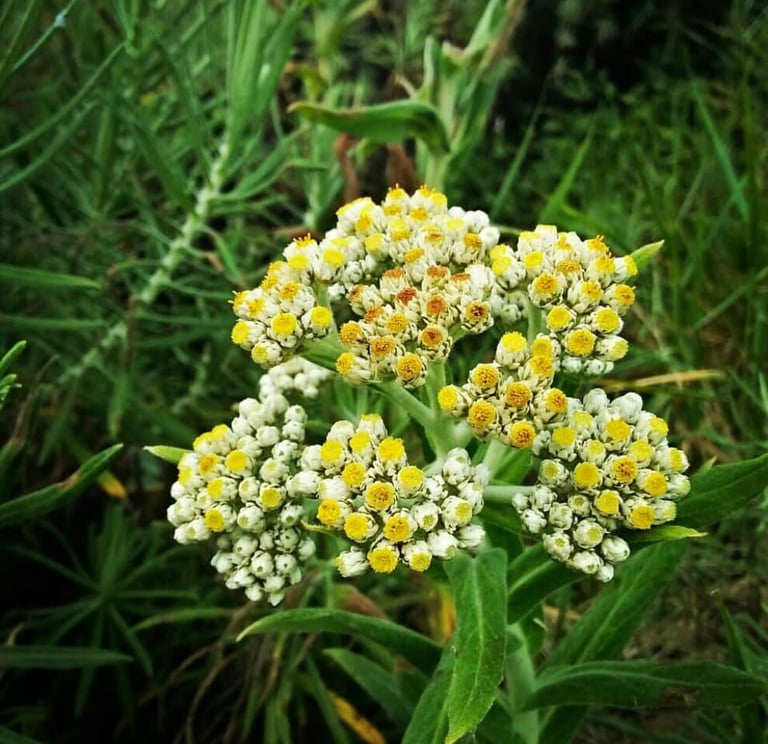
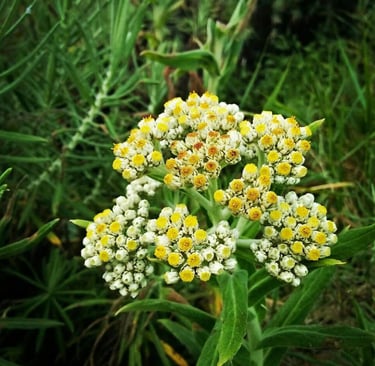
Anaphalis maxima
lives precariously on Javan mountains. It grows up to 3 meters tall and its large, sticky leaves produce lemon-like scent when squeezed.
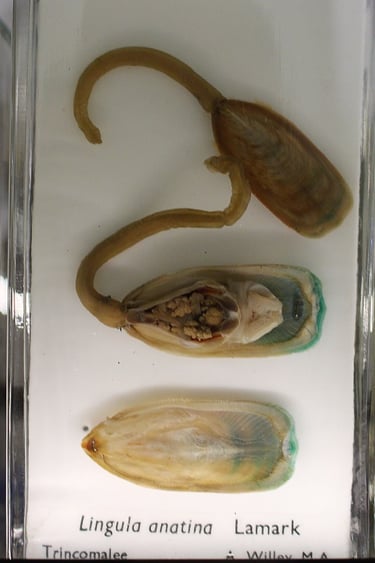
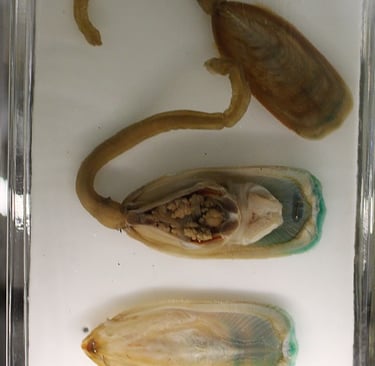
Lingula anatina
is not a clam, and not even a mollusk. Instead, it is a brachiopod, clam-like animals that have persisted on Earth, long before the first land animals evolved.
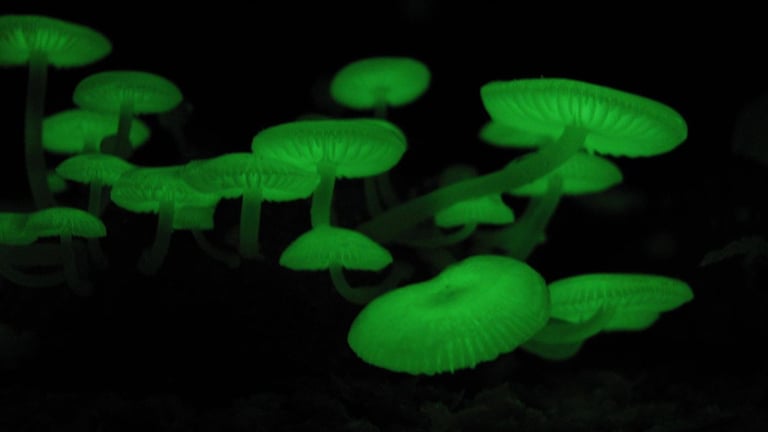
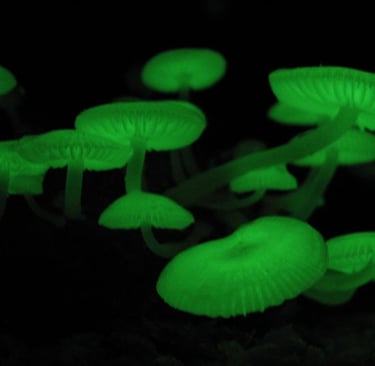
Mycena chlorophos
Like fireflies, some mushrooms produce light, or bioluminescent. This species glows bright green and may appear after heavy downpour in the rainforest.
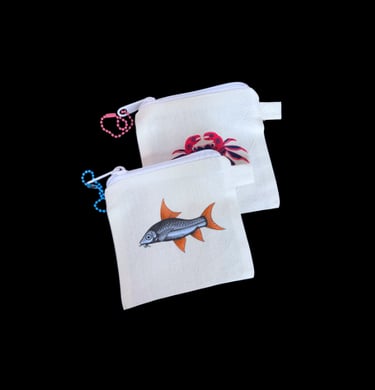
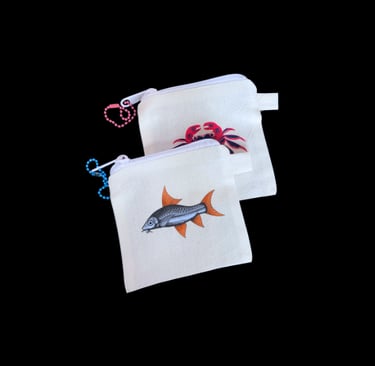
Coin Pouch
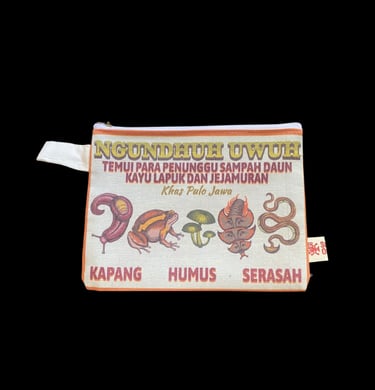
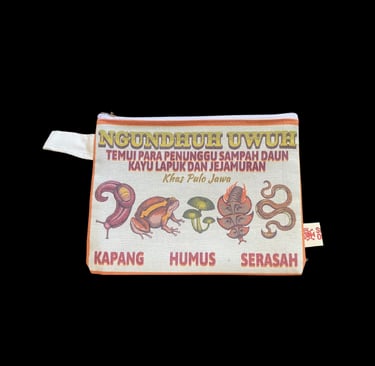
Big Pouch
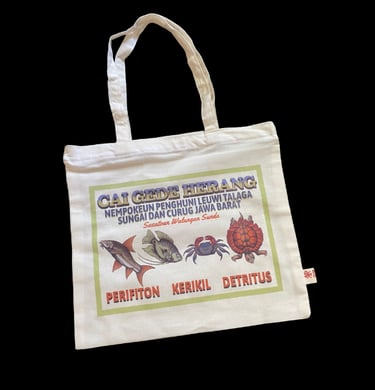
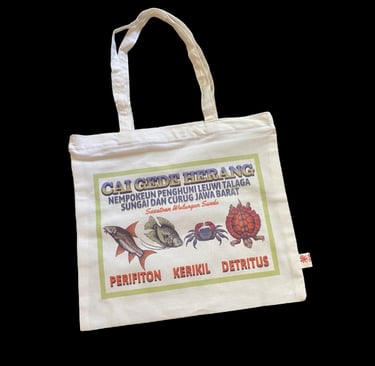
Tote Bag


Enamel Mug
WHAT YOU CAN
BRING HOME


Clay Keychain
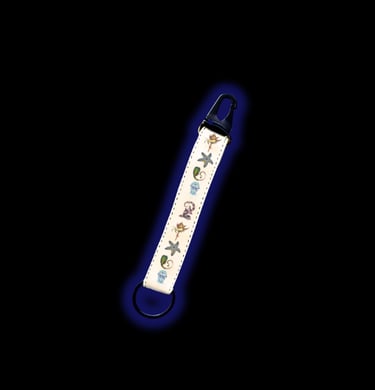
Strap Carabiner
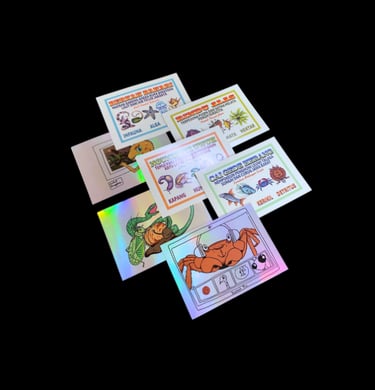
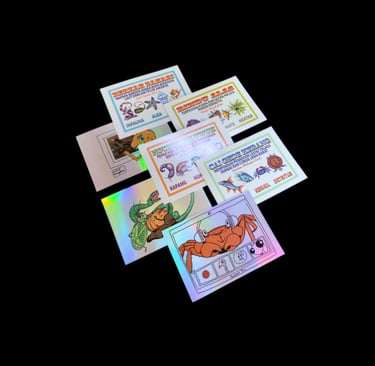
Sticker Pack
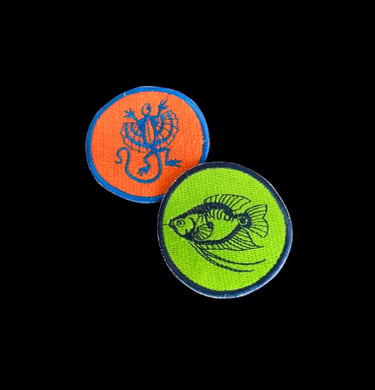
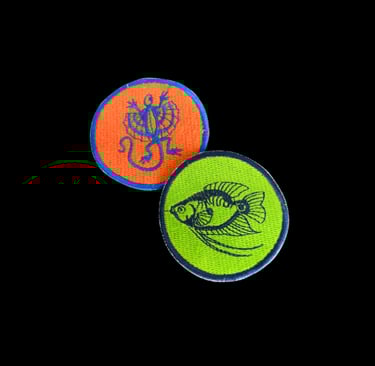
Patch


Acrylic Keychain
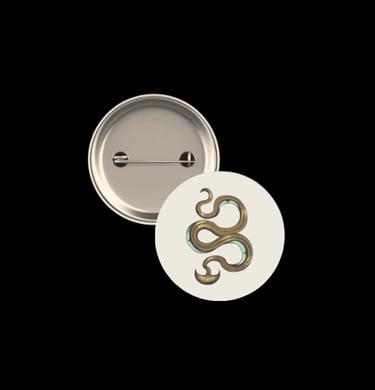

Pin
The first rollout of this merchandise set will be at ObscureFest 2026 (24-25 January 2026) at Naturalist Hub. The stock is also available at Bogor Naturalist and Ourchetype. All of the profits go to underrepresented animals conservation efforts. Bring them home now!




Image credits © Bernard Dupont, Yayasan Anambas, M Al Fatih, M Iqbal Willyanto, Masaki Ikeda, Puspita Insan Kamil, Naufal Urfi D, BSF Man, Wentian Shi, Hectonichus, Gerard Chartier, Ash2016, Agis, Coughdrop12, H. Zell, Steve Fitzgerald, David Stang, Alfeus Limans, Thomas Brown, Ting Lan Chiee, Obsidian Soul, Alexius LZL, Restu Dwikelana, Zoologische Mededelingen, Alpsdake, Yogdes, Ditjen KSDAE, Emőke Dénes, Anonymous.
Contact Us
Jl. Duren 1 No.2 RT003/RW009 Depok, Jawa Barat 16434, Indonesia
© 2024 Species Obscura Registered Non-profit Nomor AHU-0001312.AH.01.04.Tahun 2025
Privacy Policy